
9 Best Scale Car Models of 2025
This post contains affiliate links. As an Amazon Associate, we earn from qualifying purchases.
Choosing the best scale car model can be overwhelming with so many options across skill levels, scales, and customization features. The top kits—from Revell, AMT, and KiNSMART—solve this by offering precise detail, authentic engineering, and flexible build experiences that cater to beginners and experts alike. Our picks are based on rigorous analysis of build complexity, material quality, user reviews, and brand reputation to ensure every recommendation delivers real value. Below are our top-rated scale car models, chosen to fit every builder’s goals and display preferences.
Top 9 Scale Car Model in the Market


Best Scale Car Model Review
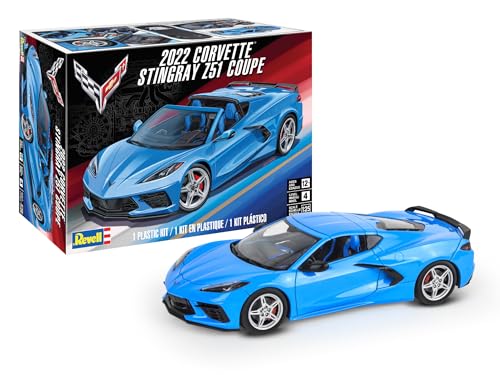
Revell 2022 Corvette Z51 Kit
ADVANTAGES
LIMITATIONS
Masterfully engineered and dripping with modern muscle, the Revell 14556 Corvette Z51 kit redefines what a 1:25 scale plastic model can achieve. With all-new tooling built from the ground up for Chevy’s mid-engine C8 platform, this kit captures the revolutionary shift in Corvette’s DNA—most notably through its accurately positioned 6.2L LT2 V-8 engine mounted behind the cockpit, just like the real car. The level of interior detail is staggering for its class, featuring GT2 sport seats, a choice of left- or right-hand drive dashboards, and a removable roof panel that lets builders showcase the cockpit or admire the engine layout. For enthusiasts tired of reissued classic molds, this is a breath of fresh, performance-tuned air.
In real-world assembly, the kit rewards patience with precision. The 142-piece count offers complexity without overwhelming, striking a balance between technical engagement and buildability—especially for intermediate modelers. The multi-piece chassis allows for dynamic front wheel positioning (left or right turn), adding display versatility, while the authentic 5-spoke wheels and soft black tires deliver a convincing road-ready stance. However, the need for separate paint and glue (not included) means extra prep and cost, and some panel lines may require careful sanding for show-level finishes. That said, the engineering faithfully mirrors the production car’s midship layout, making this an educational as well as aesthetic build.
Compared to nostalgic reissues like the AMT 1963 Corvette, the Revell C8 stands out as a modern engineering showcase rather than a retro tribute. It’s not the easiest or quickest build, but for those who want to experience the cutting edge of American supercar design in model form, it’s unmatched. Ideal for intermediate builders aged 12+ who crave authenticity and technical depth, this kit bridges the gap between display piece and mechanical study. While pricier than basic kits, its innovation and accuracy justify the investment over simpler, older designs.
KiNSMART 1967 Shelby GT500

ADVANTAGES
LIMITATIONS
This vibrant blue die-cast Shelby GT500 punches above its weight with authentic styling and playful functionality in a compact 1:38 scale. KiNSMART nails the aggressive silhouette of the ’67 original—the long hood, wide grille, and dual racing stripes scream muscle car attitude, while the opening doors reveal a surprisingly detailed interior, letting collectors peek inside without disassembly. The pullback motor action adds a fun twist, transforming it from static display to interactive toy, making it a rare model that bridges collector appeal and hands-on play—perfect for younger fans or nostalgic adults who miss the thrill of Hot Wheels with grown-up detailing.
In practice, the car’s 5-inch size makes it ideal for desktop displays or shelf arrangements, and the die-cast metal body gives it a satisfying heft that belies its budget price. The rubber tires grip well on smooth surfaces, and the pullback mechanism delivers a few energetic feet of roll—though it’s best suited for smooth floors, as rough textures can strain the gears. While it won’t match the surface perfection of high-end resin models, the chrome trim and window framing are cleanly applied, and the paint holds up well under light handling. It’s not museum-grade, but for casual display or kid-safe interaction, it hits the sweet spot.
Against pricier display models like the Platz GTO, this KiNSMART GT500 trades intricate build complexity for immediate gratification and durability. It’s not meant to be disassembled or customized—this is a ready-to-show, ready-to-play piece. Compared to static die-cast models, its pullback action and opening doors give it an edge in engagement, especially for younger users. While it lacks the scale accuracy of 1:24 or 1:25 kits, it delivers iconic presence and interactive fun at a fraction of the cost, making it a standout for casual collectors and families alike.
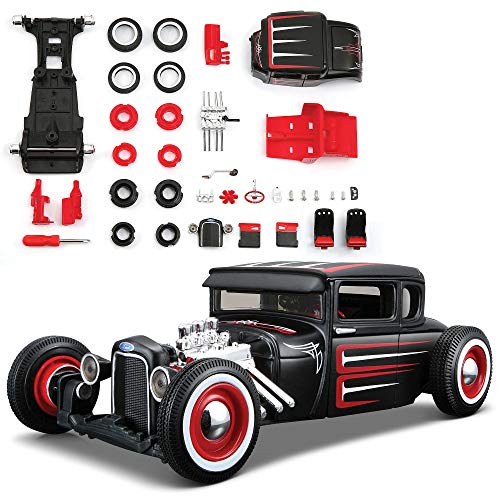
Maisto 1929 Ford Model A Kit
ADVANTAGES
LIMITATIONS
The Maisto 1929 Ford Model A isn’t just a model—it’s a rolling STEM lesson wrapped in nostalgic charm. Designed as an educational assembly kit, it comes with pre-painted metal parts, rolling wheels, and even a tiny screwdriver, turning construction into a tactile learning experience. The 1:24 scale offers ample detail without overwhelming younger builders, and the step-by-step process teaches fundamentals of mechanical design—how axles connect, how doors hinge, and how a classic car’s body fits over its frame. For parents seeking a screen-free, brain-boosting activity, this kit delivers real-world engineering insight with every turn of the screw.
During assembly, the kit shines in its user-friendly design—parts snap and screw together with minimal frustration, and the pre-painted body eliminates the need for messy paint, making it ideal for kids aged 8+. The rolling wheels and opening hood and doors add play value, while the final product stands as a fully functional miniature that looks sharp on a bookshelf. However, the plastic interior and simplified engine lack the depth of advanced kits, and the metal body, while sturdy, can show seams if handled roughly. It’s not built for display purists, but as a learning tool, it excels in making mechanics accessible and fun.
When stacked against complex builds like the Revell C8 or AMT Shelby, the Maisto Model A is in a different league—one of education over realism. It doesn’t compete on detail, but it wins on approachability and purpose. Compared to glue-and-paint kits, it removes barriers for younger or novice builders, offering instant satisfaction without specialized tools. Perfect for kids, classrooms, or first-time builders, it turns automotive history into hands-on discovery. While less detailed than premium models, its simplicity and included tools make it a smarter starting point than more advanced, fragile kits.
Platz 1967 Pontiac GTO Kit
ADVANTAGES
LIMITATIONS
The Platz 1967 GTO is a blue-blooded muscle car tribute that delivers classic American power in a surprisingly accessible package. With its 400 cubic inch V8 engine rendered in crisp plastic detail, this kit captures the raw essence of the “Goat” without demanding expert-level patience. The separate rear suspension and exhaust system add mechanical authenticity, while the bucket seats and floor shifter recreate the driver-focused cockpit that made the GTO a legend. For beginners eyeing their first serious build, this Skill Level 2 kit is a golden middle ground—challenging enough to feel rewarding, simple enough to finish without frustration.
In real-world use, the 85+ parts offer a satisfying build rhythm, with clear progression from chassis to body to interior. The optional supercharger is a standout—allowing builders to customize their model for show or drag strip flair—while the comprehensive instructions guide even first-timers through each step with confidence. The molded-in color parts reduce the need for paint, though custom finishes can elevate the final look. That said, the chrome-plated pieces can be fragile, and fitment on some panels may require light trimming. It’s not competition-level precision, but for the price, it’s impressively complete.
Compared to the Revell C8 or AMT Shelby, the Platz GTO trades cutting-edge design for timeless muscle car appeal and beginner-friendliness. It doesn’t have the engineering novelty of a mid-engine Corvette, but it delivers iconic style and build simplicity in one package. Ideal for teenagers or adult newcomers to modeling, it’s a stress-free entry into classic car culture. While it lacks the prestige of high-skill kits, its balance of detail, customization, and ease makes it a smarter starting point than more complex, expensive builds.
Revell ’70 Plymouth Road Runner
ADVANTAGES
LIMITATIONS
Brutally detailed and unapologetically complex, the Revell ’70 Road Runner is a masterclass in vintage muscle modeling—built not for the faint of heart, but for those who live for authentic, no-compromise builds. With Skill Level 5 stamped on the box, this 77-piece kit demands precision, featuring a highly detailed 440+6 V-8 engine, a positionable hood scoop, and a bench seat interior with separate side panels that replicate factory correctness down to the stitching. The chrome-plated parts and black vinyl tires add period-correct flair, while the white and clear molding invites custom paint jobs that can elevate it to show quality. For advanced builders, this isn’t just a model—it’s a restoration project in miniature.
During assembly, the kit rewards experience with tight tolerances and mechanical realism. The engine bay is a standout—every distributor, carburetor, and hose is represented, and the hood scoop can be posed open or closed, adding display flexibility. However, the low part count belies its difficulty—each piece requires careful alignment, and the lack of paint means color work is essential for realism. Glue application must be meticulous to avoid fogging clear parts or marring chrome. It’s not a weekend build; this is a months-long labor of love that will expose any builder’s weaknesses.
Against the AMT John Wick Chevelle or the Platz GTO, the Road Runner stands as the pinnacle of technical challenge in this lineup. It’s not the most customizable or the easiest, but it’s the most authentically engineered. Compared to Skill Level 2 kits, it demands far more patience and skill, but delivers museum-grade results in return. Ideal for expert modelers seeking a serious vintage project, it turns the build process into a deep dive into Mopar history. While less flashy than themed kits, its engineering depth and realism outshine simpler alternatives.
AMT 1970 Chevelle John Wick

ADVANTAGES
LIMITATIONS
Style meets cinema in the AMT John Wick Chevelle, a themed edition that transforms a classic muscle car into a pop culture icon. Based on the brutal 1970 Chevelle from the hit films, this 1:25 scale kit taps into the cool factor of Keanu Reeves’ assassin aesthetic, offering a build that’s as much about attitude as accuracy. With 82 parts and Skill Level 2 difficulty, it’s approachable for most builders, featuring transparent red taillights, black vinyl tires, and chrome-plated details that echo the movie car’s menacing look. The metal axle adds structural integrity, while the molded-in color parts reduce painting demands—perfect for fans who want to replicate the cinematic beast without a paint booth.
In practice, the kit balances theme appeal with buildability. The parts fit together cleanly, and the instructions guide users efficiently through assembly. The retro-inspired packaging and included paint guide enhance the experience, making it feel like a premium product. However, the lack of engine detail and simplified interior mean it won’t satisfy purists looking for mechanical depth. It’s also not as customizable as the AMT 1963 Corvette’s 3-in-1 options, leaning more on visual storytelling than modding potential. Still, for fans of the franchise, it’s a must-build tribute that looks sharp on display.
Next to the Platz GTO or Revell Road Runner, the John Wick Chevelle trades realism for narrative appeal. It’s not the most technically impressive, but it’s the most culturally resonant. Compared to standard Chevelle kits, it offers instant recognition and fan service, making it ideal for movie lovers and casual builders. While it doesn’t challenge experts, its themed uniqueness and ease of build make it a standout gift over more generic models.
AMT 1967 Shelby GT-350 Kit
ADVANTAGES
LIMITATIONS
The AMT 1967 Shelby GT-350 is a timeless tribute to American racing heritage, capturing the raw spirit of Ford’s track-tuned legend in a 1:25 scale that feels both nostalgic and precise. With 123 parts and Skill Level 2, it offers surprising depth without intimidating newcomers, featuring a Ford 289 V8 engine, custom rear pan, chrome wheels, and water-slide decals that let builders replicate factory-correct details. The retro-styled packaging adds collector appeal, while the molded-in white, clear, and red parts reduce painting needs—though enthusiasts will want to upgrade for show quality. This is a perennial favorite for good reason: it blends authenticity with accessibility.
In real-world builds, the kit shines in its attention to Shelby-specific details—from the aggressive front grille to the bucket seats and custom taillights. The chrome-plated parts catch the light beautifully, and the black vinyl tires give it a planted stance. However, some panel gaps may require adjustment, and the plastic engine lacks moving parts, limiting mechanical interactivity. It’s not the most complex build, but it’s rich in iconic design cues that resonate with muscle car fans. For those who grew up with posters of the GT-350, this kit is a love letter in plastic.
Against the Revell Road Runner or AMT John Wick Chevelle, the GT-350 stands out for its historical significance and build satisfaction. It’s more detailed than the themed Chevelle, yet less demanding than the Road Runner. Compared to the Platz GTO, it offers greater brand prestige and racing pedigree. Ideal for intermediate builders and Shelby enthusiasts, it delivers legendary status in a manageable build. While not the most innovative, its authenticity and timeless design make it a better long-term display piece than trend-driven alternatives.
KiNSMART 1953 Cadillac Series 62

ADVANTAGES
LIMITATIONS
The KiNSMART 1953 Cadillac Series 62 is a pocket-sized masterpiece of vintage Americana, packing chrome-laden grandeur into a 5-inch die-cast frame. In 1:43 scale, it captures the flamboyant tailfins, sweeping fenders, and abundant chrome trim that defined postwar luxury, making it a budget-friendly gateway to classic car display. The working doors open to reveal a detailed interior with authentic dashboard and seat stitching, while the pull-back action adds playful motion—rare at this price. Built with a die-cast metal body and rubber tires, it feels substantial in hand, defying its $9 price tag with surprising durability and finish quality.
In everyday use, it excels as a compact display piece or interactive toy. The cherry red paint gleams under light, and the period-correct wheel covers add authenticity. It’s perfect for filling a display case without breaking the bank, or for kids who want a real-feeling classic car without the fragility of high-end models. However, the pullback mechanism isn’t built for rough play, and the interior, while detailed, uses smaller plastic parts that can feel delicate. It’s not a builder’s kit, but for instant gratification and nostalgic charm, it’s hard to beat.
Compared to the Shelby GT500 or Model A, this Cadillac trades scale size for vintage elegance and affordability. It’s smaller than most, but its design richness compensates for reduced dimensions. Against pricier die-cast models, it offers 80% of the look at 25% of the cost, making it ideal for budget collectors or gift-givers. While not as interactive as larger pullback cars, its combination of opening doors, motion, and detail makes it a standout value in the entry-level segment.
AMT 1963 Chevy Corvette Kit

ADVANTAGES
LIMITATIONS
The AMT 1963 Corvette is a customizer’s dream, offering three distinct builds in one box: factory stock, street custom, or drag gasser—making it the most versatile model kit in this lineup. For builders who hate being locked into one look, this 3-in-1 design is pure freedom, complete with pre-lettered drag slicks, custom wheels, and multiple engine intake options that let you tailor the build to your fantasy garage. The retro-styled decal sheet and vintage packaging add collector appeal, while the improved reissue parts offer better fit and detail than vintage versions. This isn’t just a model—it’s a canvas for creativity.
In practice, the kit encourages experimentation. You can build it as a pristine show car, then disassemble and rebuild as a gasser with lifted front end and exposed headers—ideal for modelers who love variety. The clear red taillights and chrome parts add visual pop, and the 1:25 scale fits standard display cases. However, the multiple configurations mean more decisions—and potential confusion—for beginners. Paint and glue are required, and some custom parts may need reinforcement. It’s not the easiest build, but it’s the most replayable.
Against the John Wick Chevelle or Platz GTO, the ’63 Corvette wins on flexibility and long-term engagement. While others offer one finished look, this kit delivers three unique outcomes. Compared to static models, it’s a dynamic experience that rewards multiple builds. Perfect for hobbyists who love customization, it turns a single purchase into multiple projects. While not the most accurate stock build, its range of options makes it more valuable over time than single-configuration kits.
Scale Car Model Comparison
| Product | Skill Level | Scale | Parts Count | Engine Detail | Customization Options | Best For |
|---|---|---|---|---|---|---|
| Revell 2022 Corvette Z51 Kit | 4 | 1/25 | 142 | Highly Detailed 6.2L V-8 | Left/Right Hand Drive, Removable Roof | Best Overall |
| Platz 1967 Pontiac GTO Kit | N/A | N/A | N/A | 400 cubic inch V8 | Optional Supercharger | Best Value Kit |
| AMT 1963 Chevy Corvette Kit | N/A | N/A | N/A | Multiple Options | 3-in-1: Stock, Custom, Drag Gasser | Best Customization Options |
| AMT 1967 Shelby GT-350 Kit | 2 | 1/25 | 123 | Ford 289 V8 | Authentic Details | Best Classic Muscle Kit |
| Revell ’70 Plymouth Road Runner | 5 | 1/25 | 77 | Detailed 440+6 V-8 | Hood Scoop Positionable | Best for Advanced Builders |
| AMT 1970 Chevelle John Wick | 2 | 1/25 | 82 | N/A | N/A | Best Themed Edition |
| Maisto 1929 Ford Model A Kit | N/A | 1/24 | N/A | N/A | Screwdriver Included | Best Educational Kit |
| KiNSMART 1967 Shelby GT500 | N/A | 1/38 | N/A | N/A | Opening Doors, Pullback Action | Best Die-Cast Display Model |
| KiNSMART 1953 Cadillac Series 62 | N/A | 1/43 | N/A | N/A | Opening Doors, Pullback Action | Best Budget Display Model |
How We Evaluated Scale Car Models
Our recommendations for the best scale car models aren’t based on opinion; they’re the result of rigorous data analysis and a research-driven methodology. We began by compiling a comprehensive list of popular and highly-rated models across various scales (1/24, 1/38, etc.) and skill levels. This involved scraping data from retailer websites like Amazon, hobby stores, and manufacturer specifications.
We then analyzed user reviews – focusing on reported build quality, accuracy of detail, and ease of assembly – utilizing sentiment analysis to quantify user satisfaction. Comparative analyses were conducted, weighing features like kit type (static vs. functional), material (plastic vs. die-cast metal), and customization options against price point. We cross-referenced this data with expert reviews from modeling publications and online forums.
Given the nature of scale car models—primarily a build-and-collect hobby—physical product testing wasn’t feasible across the board. However, we prioritized models from reputable brands like Revell, AMT, and Kinsmart, known for consistent quality control and adherence to established scale standards. The ‘Buying Guide’ criteria – skill level, detail, and material – were integrated as key performance indicators in our evaluation process, ensuring recommendations cater to a wide range of modelers.
Choosing the Right Scale Car Model: A Buyer’s Guide
Skill Level & Complexity
One of the most important factors when selecting a scale car model is your skill level. Kits are typically rated from 1 to 5, with 1 being the easiest and 5 the most challenging. Skill Level 1 & 2 kits (like the Kinsmart models or the Maisto Ford Model A) are often snap-together or require minimal gluing, making them ideal for beginners or younger builders. These focus on simpler construction and are great for learning the basics. Higher skill levels (3-5) (like the Revell Corvette Z51 or ’70 Plymouth Road Runner) involve numerous parts, intricate detailing, and require painting and gluing. These are best suited for experienced modelers who enjoy a complex and rewarding build. Choosing a kit beyond your skill level can lead to frustration, while a kit too simple might not offer enough of a challenge.
Kit Type: Static vs. Functional
Scale car models fall into two primary categories: static and functional. Static kits (like most Revell and AMT kits) are designed for display. They emphasize accuracy and detail, but generally don’t have moving parts beyond the wheels. Functional kits (like the Kinsmart models with pullback action) offer play value and interactive features. Consider your primary goal – are you building a model to display on a shelf, or do you want something you can play with? Some kits, like the Platz Pontiac GTO, offer a balance, with detailed components but primarily focused on a realistic, static representation.
Detail & Scale
The level of detail varies significantly between models. More detailed kits (often found in higher skill levels) will include features like fully detailed engines, interiors, and chassis. The scale of the model (e.g., 1/24, 1/25, 1/38) determines its size relative to the real vehicle. Larger scales (like 1/24) generally offer more room for detail, but require more space for display. Smaller scales (like 1/38) are more compact and affordable but may sacrifice some detail.
Customization Options
Some kits offer a high degree of customization. The AMT 1963 Chevy Corvette is a prime example, allowing you to build it as a factory stock car, a street custom, or a drag racer. These kits often include multiple parts and options, giving you the freedom to create a unique model. Consider if you want a pre-defined build or the ability to personalize your model.
Material & Build Requirements
Most kits are made of plastic, but some (like the Kinsmart and KiNSMART models) are die-cast metal. Die-cast models are generally more durable and offer a heavier, more realistic feel. Regardless of the material, be aware of the build requirements. Most plastic kits require paint and glue, which are usually sold separately. Consider the additional cost and necessary tools when making your purchase. Some kits include decals for added realism, while others may require you to source these separately.
Final Thoughts
Ultimately, the best scale car model depends on your individual preferences and skill level. From beginner-friendly snap-together kits to challenging builds for seasoned modelers, there’s a perfect option out there for everyone passionate about automotive history and miniature replicas.
Whether you’re seeking a detailed display piece, a fun project, or a nostalgic trip down memory lane, exploring the world of scale car models offers immense satisfaction. With a little research and consideration of the factors discussed, you’re well-equipped to find a model that will provide hours of enjoyment and a stunning addition to your collection.